Erinnerung gestalten: Wie Grabsteine zu stillen Architekturen des Abschieds werden
Unternehmen
Unternehmen
09/01/2026

Erinnerung gestalten: Wie Grabsteine zu stillen Architekturen des Abschieds werden
Unternehmen
Unternehmen
09/01/2026
Grief is invisible, but it needs a visible place. For centuries, gravestones have fulfilled this role: they not only mark a grave, they tell stories, structure cemeteries like small towns, and shape the image of our places of remembrance. Anyone who reflects on contemporary architecture, materials, and design today will sooner or later encounter the question of how we treat the final places of life.
Gravestones have evolved from simple, functional markers to highly individual, architecturally sophisticated objects. They combine craftsmanship, design, and symbolism – and at the same time, they must blend into the established cemetery landscape. Within this tension, a quiet yet very precise form of architectural culture emerges on a small scale .
In this context, it is worth taking a closer look at gravestones made of natural stone. They represent longevity, a clear design language, and a direct connection to the landscape from which the material originates. Granite, basalt, sandstone, or marble react differently to light, weather, and time – and it is precisely these changes that define the character of a gravestone. The surface ages, edges soften, and colors deepen: the stone tells the story that time passes, but memory remains.
Architecture on a small scale: Design between order and individuality
Cemeteries often follow strict grid patterns: paths, axes, sections. Within this structure, gravestones form a kind of "micro-architecture." Height, width, proportions, and orientation determine whether a gravestone appears understated or deliberately makes a statement. A tall, slender stone directs the gaze upwards, while a wide, flat stone opens up more to the surrounding area and establishes a connection with its environment. Designers should not consider gravestones in isolation, but rather as part of an ensemble. How does the stone appear in the row? How does it integrate into the topography of the cemetery? Is it located under trees, in an open field, or against a wall? The answers to these questions influence the choice of material, form, and surface. For example, a heavily veined natural stone harmonizes with a more natural, wild planting scheme, while a calm, finely polished stone is better suited to clean, minimalist planting areas . At the same time, the desire for individuality is growing. Names, dates of birth and death, and a symbol are no longer enough for many relatives. Reliefs, abstract motifs, embedded glass or metal elements, deliberately placed breaks or cutouts in the stone create personal connections without being obtrusive. The art lies in making a powerful statement that nevertheless respects the dignity of the place.Material, sustainability and durability
Those involved in construction and design are increasingly asking about the origin of materials. This also applies to gravestones. Natural stones from regional quarries shorten transport routes, conserve resources, and create a connection to the local landscape. A gravestone made from a stone that is also found in walls, steps, or public spaces in the surrounding area anchors the memorial site in its familiar environment. Sustainability here also means thinking ahead. A gravestone must last for decades, often generations. Weather resistance, frost resistance, maintenance requirements, and the possibility of future additions play a crucial role. A well-planned inscription area allows space for further names should family graves fill up over the years. Furthermore, the surface should be chosen so that it remains legible and dignified even after many winters . The parallel to contemporary construction is interesting: there, too, durable, natural materials are gaining importance. What counts for facades, terraces, or interiors—authenticity, resilience to aging, repairability—also applies, on a smaller scale, to gravestones. The difference: here, it's not just about comfort, but about the foundation of memory.Between ritual and everyday life: How gravestones are used
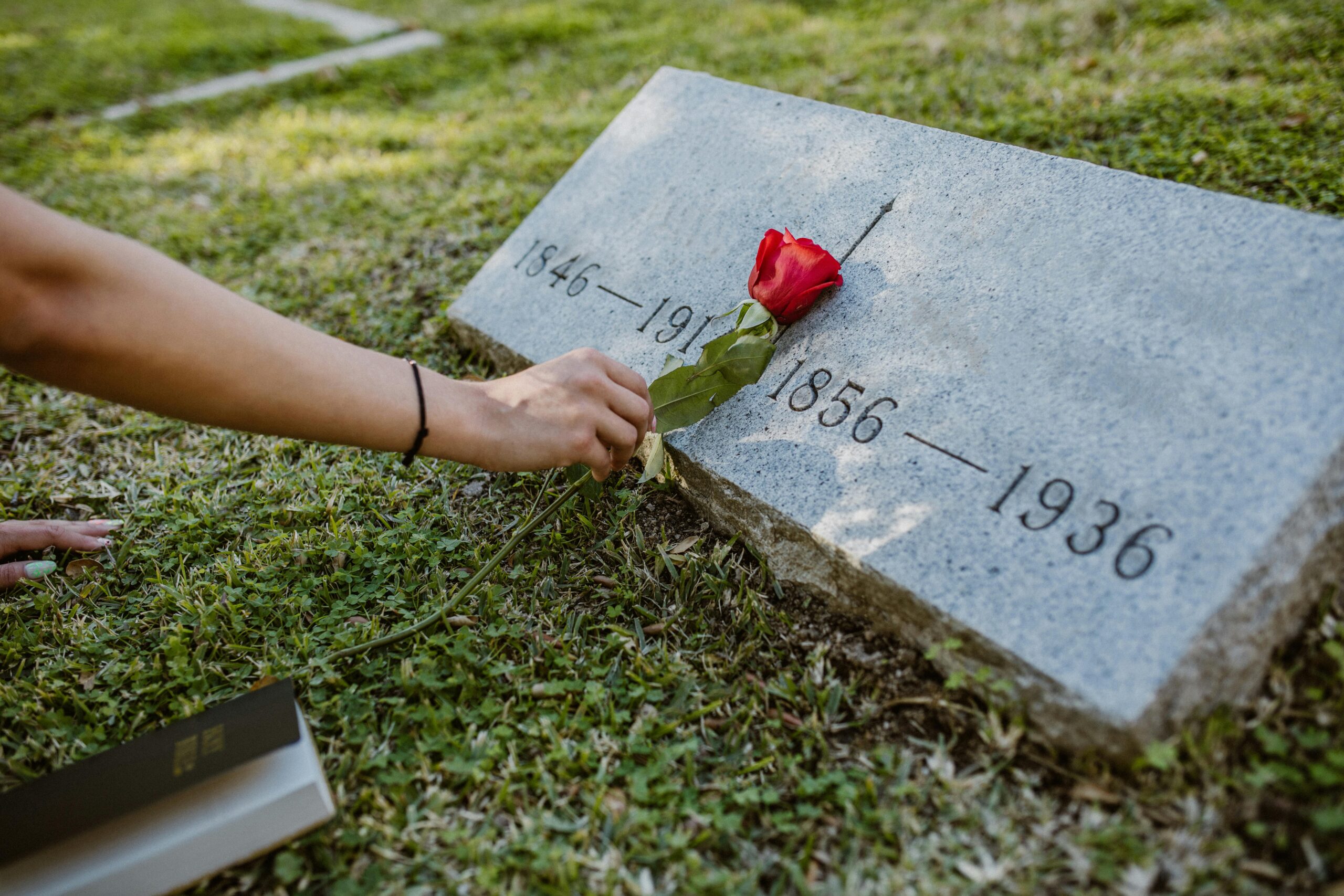
A gravestone is not merely an object; it is used. Relatives visit the grave, lay flowers, light candles, and touch the stone. This physical proximity should be reflected in the design. Easily accessible base areas, small shelves, or deliberately designed transitions between stone and earth facilitate rituals and make the place inviting without trivializing it . The planting also plays an important role. Ground cover, perennials, grasses, or small shrubs frame the stone and change with the seasons. Early bloomers in spring, fragrant herbs in summer, structurally strong grasses in winter – all this creates a vibrant yet serene setting for the gravestone. The combination of stone and plants serves as a reminder that saying goodbye and moving on belong together . Digital elements are becoming more common, but they should be used thoughtfully. QR codes or small plaques that link to online memorial pages open up new forms of remembrance. However, they must be integrated discreetly so that the gravestone retains its design clarity and does not become a display.A place that lasts
Ultimately, gravestones address a simple yet profound question: What should remembrance look like when we are no longer here? A well-designed stone answers this question quietly but clearly. It makes a person tangible in a specific place, without attempting to recount their entire life story . Those who engage with this topic early on discover that it is not merely a process of mourning, but also a form of conscious design. Relatives, designers, stonemasons, and cemetery administrations share the responsibility of ensuring that cemeteries become places where people enjoy lingering, reflecting, and perhaps even finding inspiration. Gravestones form the focal points of this landscape: small, stone architectures of farewell that demonstrate that good architecture does not end at the cemetery wall.Melden Sie sich für den Newsletter an
Werden Sie Teil des Clubs und erhalten Sie gute Tipps direkt in Ihr Postfach – völlig kostenlos.
Geben Sie Ihre E-Mail-Adresse ein
Registrieren
Vielen Dank für Ihr Interesse und Ihre Anmeldung
Mit der Anmeldung akzeptiere ich die Regeln und Datenschutzrichtlinien der Site.
Mit der Angabe Ihrer E-Mail-Adresse und der Anmeldung zum Newsletter erklären Sie sich mit unseren Bedingungen und der Verarbeitung Ihrer Daten einverstanden. Sie haben die volle Kontrolle und können sich jederzeit abmelden.

Der komplette Leitfaden zu Baugenehmigungen
Erfahren Sie in diesem E-Book alles Wissenswerte rund um die Baugenehmigung. Von der Antragstellung bis zur Genehmigung – wir begleiten Sie durch Gesetzgebung und Verfahren, damit Ihr Bauprojekt optimal startet.
Leitfaden herunterladen